Understanding Car Batteries

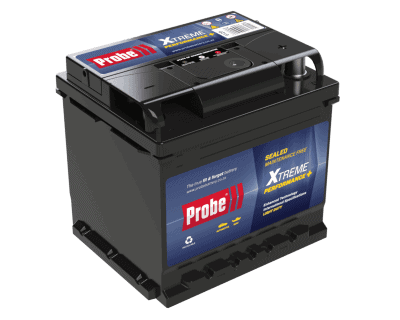
Importance of a Properly Sized Car Battery
Selecting the right size of car battery is crucial for your vehicle’s well-being. A properly sized battery ensures optimal performance, longevity, and reliability. Picture this: you’re on a chilly morning, racing to work, only to find your car won’t start due to an ill-fitting battery. Avoid such scenarios by ensuring your battery matches your vehicle’s specifications.
Overview of Car Battery Functions
Car batteries serve multiple essential roles that keep your vehicle running smoothly:
- Starting the Engine : Provides the necessary power to crank the engine.
- Electrical Supply : Powers accessories like lights, radio, and air conditioning.
- Voltage Regulation : Maintains a steady voltage level throughout various systems.
In essence, a well-sized battery not only enhances performance but also safeguards your vehicle’s electrical components.
Factors to Consider When Selecting a Car Battery Size
Vehicle Compatibility
When choosing a car battery, the first step is ensuring it is compatible with your vehicle’s make and model. Not all batteries fit every car! For instance, a compact car requires a different battery than an SUV. Always consult the manufacturer’s recommendations to avoid mismatches.
Battery Group Size
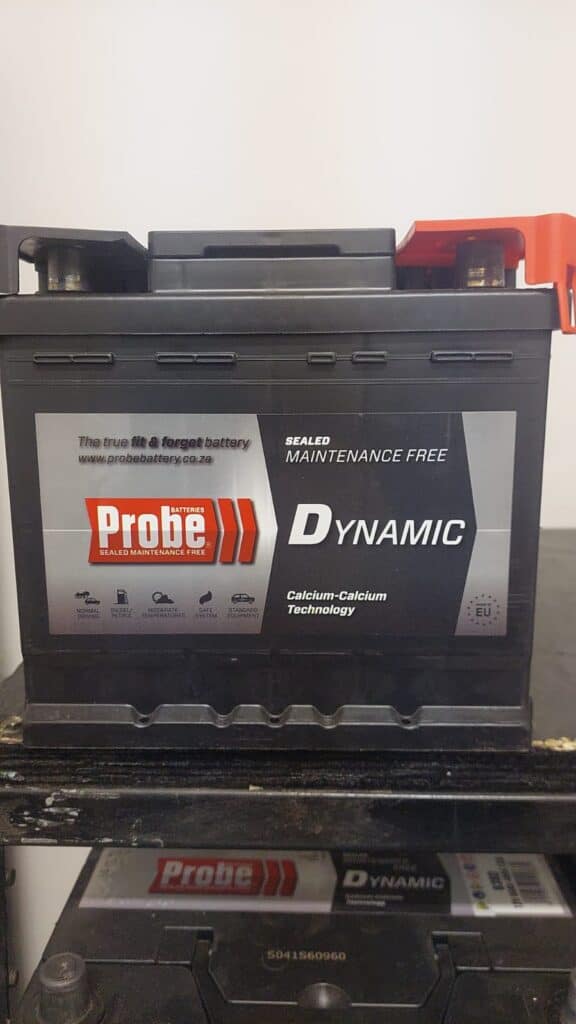
Battery group size defines the dimensions and terminal layout of the battery. It’s vital to select the correct group size to ensure a snug fit. Each vehicle typically has a designated group size, which you can find in the owner’s manual.
Cold Cranking Amps (CCA)
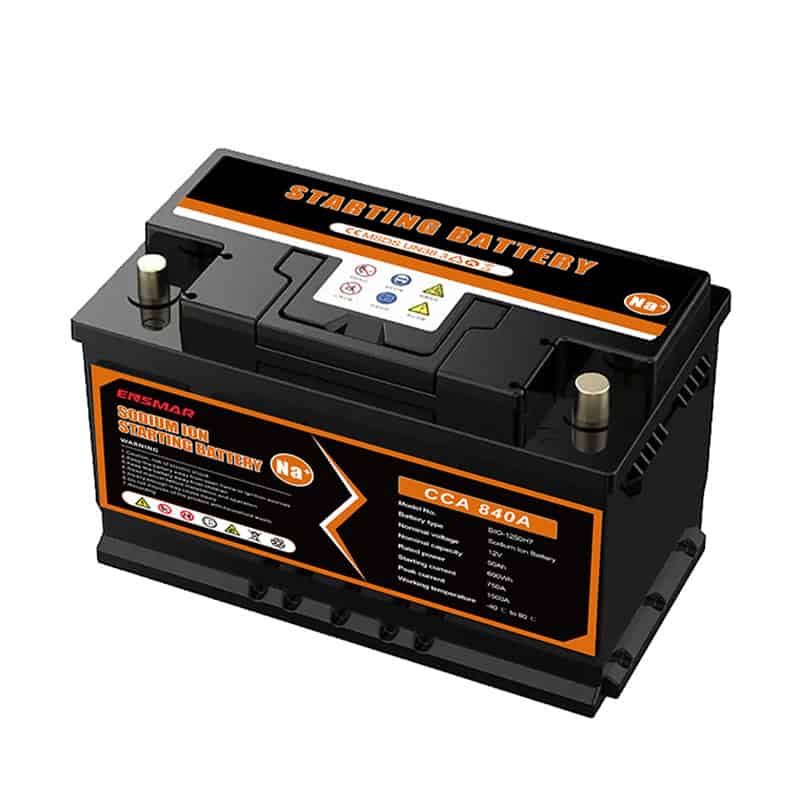
Cold Cranking Amps (CCA) indicate the battery’s ability to start an engine in cold temperatures. If you live in colder climates, don’t skimp on CCA ratings. A higher CCA ensures reliable starts on frigid mornings.
Reserve Capacity (RC)
Reserve Capacity (RC) measures how long a battery can run on its own without the engine. This feature is crucial if you often use electrical systems when the engine is off. A higher RC rating extends the battery’s usability during emergencies.
Taking these factors into account will help optimize your vehicle’s performance and reliability!

Determining the Correct Size of Car Battery
Consultation of Vehicle Manual
The first step in determining the correct size of your car battery is consulting your vehicle’s manual. This handy resource contains detailed specifications, ensuring you choose a battery that fits perfectly. Don’t leave anything to chance—check the manual for the recommended battery group size.
Professional Advice from Auto Experts
If you’re still unsure, seeking professional advice from auto experts can be invaluable. Whether it’s your local mechanic or a specialist at an auto parts store, they can provide insights tailored to your vehicle’s needs—saving you from costly mistakes.
Online Tools for Battery Size Calculation
In today’s digital age, numerous online tools can assist in battery size calculations. Websites often offer user-friendly interfaces where you input your vehicle’s make and model, generating accurate battery size recommendations.
Utilizing these methods ensures you select the right-sized battery for your vehicle, enhancing reliability and performance!
Common Mistakes to Avoid When Choosing a Car Battery Size
Choosing Based on Price Alone
One of the most common mistakes is choosing a car battery based solely on price. While staying within budget is important, opting for the cheapest option can lead to poor performance or a shorter lifespan. Remember the old saying, “you get what you pay for.” Investing in a quality battery often pays off in the long run.
Ignoring Compatibility Issues
Another frequent pitfall is ignoring compatibility issues. Many buyers assume that any battery will work for their vehicle, but this can lead to significant problems. Always check specifications and dimensions to ensure a proper fit, and refer to your vehicle manual to avoid mismatches.
Overlooking Environmental Conditions
Finally, overlooking environmental conditions can be detrimental. For instance, if you live in an area with extreme temperatures, it’s crucial to choose a battery with adequate Cold Cranking Amps (CCA) for winter and a suitable Reserve Capacity (RC) for summer.
By being mindful of these common mistakes, you can confidently choose the right battery for your vehicle!
Maintaining and Caring for the Selected Car Battery
Regular Inspections and Cleanings
Proper maintenance is key to maximizing your car battery’s lifespan. Regular inspections can help you spot potential issues early. Look for corrosion around the terminals and clean them with a mixture of baking soda and water to ensure good connectivity. It’s a simple task but can make a big difference!
- Check for any leaks or damage on the battery casing.
- Inspect the connectors to ensure they’re secure.
Proper Installation Techniques
Equally important are proper installation techniques. A well-installed battery will perform better and last longer. Make sure to:
- Position the battery correctly in the compartment.
- Tighten the terminals without overtightening to avoid damage.
Following these maintenance tips will help keep your battery in top shape for years to come!
Conclusion
Summary of Selecting the Correct Size Car Battery
Selecting the correct size car battery is essential for your vehicle’s performance and longevity. Key factors include vehicle compatibility, battery group size, Cold Cranking Amps (CCA), and Reserve Capacity (RC). By considering these elements, you can ensure that your battery meets your specific driving conditions.
Final Recommendations
To wrap it up, always refer to your vehicle’s manual and seek advice from professionals when needed. Don’t rush your decision based on price alone; quality matters! Regular maintenance and proper installation will further enhance your battery’s durability. With these insights, you’re now equipped to make a smart battery choice for your vehicle!