Introduction
Definition of Lead Acid and AGM Batteries
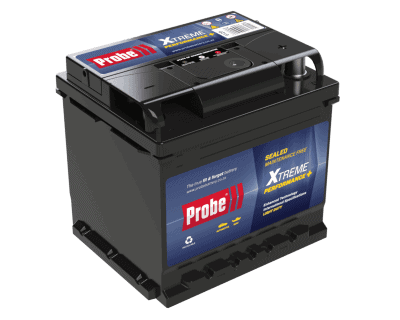
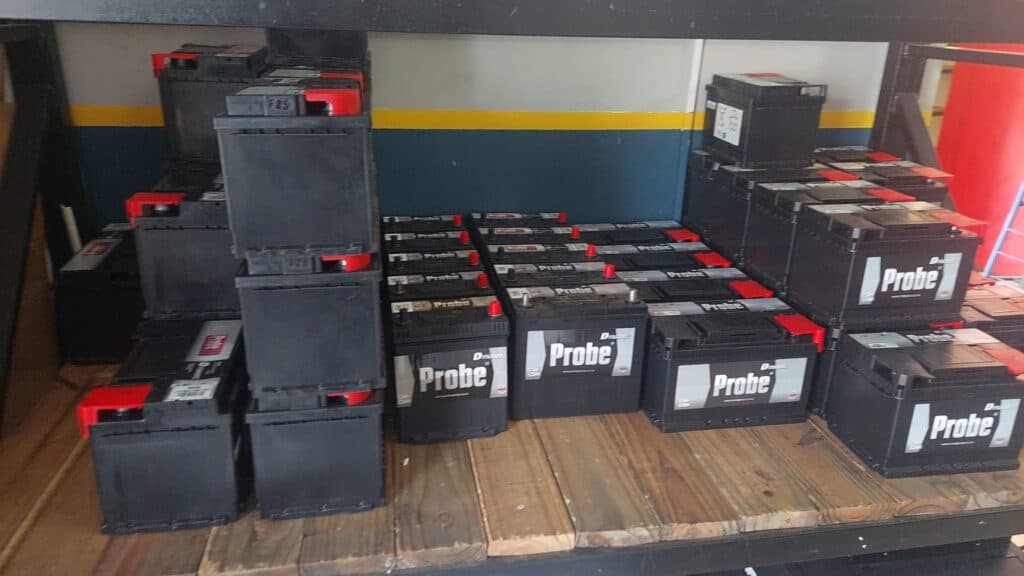
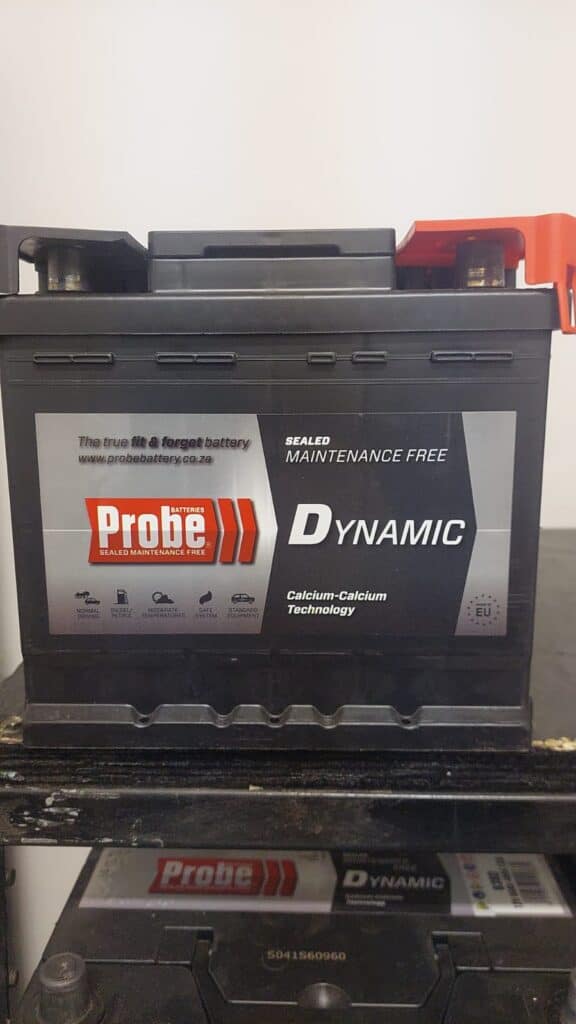
Lead Acid batteries are traditional energy storage solutions, commonly used for vehicles and backup power systems. These batteries contain lead plates submerged in sulfuric acid. On the other hand, Absorbed Glass Mat (AGM) batteries are a type of sealed lead acid battery, featuring a fiberglass mat that absorbs the electrolyte.
Importance of Choosing the Right Battery for Your Needs
Selecting the appropriate battery type is crucial for ensuring optimal performance and longevity in your applications. It’s not just about power; it’s about functionality and reliability. Incorrect choices can lead to:
- Reduced battery life
- Increased maintenance costs
- Compromised safety
For instance, in a marine setting, an AGM battery may offer superior performance over traditional lead acid. Understanding these differences empowers you to make informed decisions tailored to your specific needs.
Understanding Lead Acid Batteries
Composition and Functionality
Lead Acid batteries consist of lead dioxide (PbO2) as the positive plate and sponge lead (Pb) as the negative plate, immersed in a diluted sulfuric acid solution. This classic design allows for the generation of electrical energy through a chemical reaction during both discharge and recharge cycles.
Pros and Cons
Like any technology, Lead Acid batteries come with their own set of advantages and disadvantages:
Pros:
- Cost-Effectiveness: Generally lower in price compared to other battery types.
- Reliability: A long history of successful use in various applications.
- High Surge Current: Suitable for applications requiring a quick burst of power.
Cons:
- Weight: Heavier than modern alternatives, which can be a drawback for portable uses.
- Shorter Lifespan: Typically lasts 3 to 5 years, depending on usage.
- Maintenance: Requires periodic checks to maintain fluid levels.
Common Applications
Lead Acid batteries are versatile and widely used across many industries. Some common applications include:
- Automotive: Powering conventional cars, trucks, and motorcycles.
- Backup Power: Essential for UPS (Uninterruptible Power Supply) systems in homes and offices.
- Renewable Energy Systems: Storing energy from solar panels for later use.
For example, when transitioning to solar energy, many homeowners choose lead acid batteries for their affordability, even if the weight and maintenance are factors to consider. Understanding these aspects can help determine their suitability for your needs.
Exploring AGM Batteries
Technology Overview
Absorbed Glass Mat (AGM) batteries are a modern evolution of the traditional lead acid design. The electrolyte is absorbed in glass mats, which creates a leak-proof, maintenance-free battery. This advanced technology allows AGM batteries to withstand deep discharges, making them a reliable choice for various applications.
Advantages and Disadvantages
AGM batteries offer distinct benefits and drawbacks:
Advantages:
- Maintenance-Free: No need for regular water refills due to the sealed design.
- Vibration Resistance: Well-suited for mobile applications like motorcycles and marine vehicles.
- Faster Recharge: They charge more quickly than conventional lead acid batteries.
Disadvantages:
- Higher Initial Cost: More expensive upfront compared to traditional lead acid batteries.
- Temperature Sensitivity: Performance can degrade in extreme temperatures.
- Limited Cycle Life: Generally, shorter lifespan than some lithium-based batteries.
Best Uses in Various Applications
AGM batteries excel in different environments and tasks, including:
- Automotive: Ideal for start-stop systems in modern vehicles where quick power bursts are needed.
- Marine: Perfect for boats due to their resistance to vibrations and spills.
- Solar Energy Systems: Used in off-grid solar setups to store energy efficiently.
For example, a boater may prefer AGM batteries for their stability and reliability on the water, ensuring that unexpected bumps do not cause leaks or spills. By understanding the features of AGM batteries, individuals and businesses can make informed choices that optimize performance for their specific needs.
Performance Comparison
Capacity and Voltage
When comparing Lead Acid and AGM batteries, capacity and voltage are crucial metrics to consider. Lead Acid batteries typically offer lower capacity, while AGM batteries often have a higher energy density. This means you get more energy in a smaller, lighter package.
For instance:
- Lead Acid: Typically has a nominal voltage of 12V with less capacity.
- AGM: Also nominally at 12V but can hold more energy due to improved design.
Charging Efficiency
Charging efficiency varies significantly between these two battery types. AGM batteries are known for their ability to absorb and store energy rapidly, often recharging to full capacity in less time compared to traditional lead acid options. Users frequently observe faster turnaround times, which is particularly valuable in emergency backup systems.
- Lead Acid: May require longer charging times and can lose efficiency if not fully charged on a regular basis.
- AGM: Generally charges faster, often achieving 85-90% efficiency.
Lifespan and Durability
Lifespan and durability are key considerations for any battery user. AGM batteries typically outlast their lead acid counterparts, offering around 4 to 8 years of service life when properly maintained.
Advantages include:
- Lead Acid: Good for 3 to 5 years under optimal conditions.
- AGM: Known for resistance to vibration, making it ideal for mobile applications.
Personal experience reinforces this; one user switched from lead acid to AGM for their solar system and noted a significant improvement in both lifespan and reliability. Understanding these performance factors can guide consumers in selecting the battery that best meets their power needs.
Factors to Consider When Choosing
Cost Analysis
When selecting between Lead Acid and AGM batteries, cost is a significant factor. Lead Acid batteries usually come with a lower price tag, making them accessible for those on a budget. However, AGM batteries, while more expensive upfront, can save money in the long run through their longer lifespan and reduced maintenance needs.
- Lead Acid: Typically costs $100 to $200.
- AGM: Generally priced between $200 to $400 or more.
Maintenance Requirements
Maintenance varies widely between battery types. Lead Acid batteries require regular checks, including monitoring water levels and cleaning terminals. In contrast, AGM batteries are largely maintenance-free, which can be a game-changer for busy users.
- Lead Acid: Needs periodic watering and electrolyte checks.
- AGM: Sealed design eliminates the need for maintenance.
For instance, a friend who often forgets about maintenance found AGM batteries to be a hassle-free option for their RV.
Environmental Impact
The environmental impact of batteries should not be overlooked. Lead Acid batteries can leak harmful substances if not disposed of properly, while AGM batteries typically provide a cleaner alternative due to their sealed design and reduced risk of spills.
Making eco-conscious choices not only helps the planet but can also align with personal values. Users who prioritize sustainability may find the sealed AGM batteries to be a responsible option. By weighing these factors—cost, maintenance, and environmental considerations—individuals can make informed choices tailored to their unique needs.
Selecting the Right Battery for Your Needs
Matching Battery Type to Application
Choosing the right battery starts with understanding your specific application. For instance, if you need a battery for starting an engine, AGM batteries are often preferable due to their superior power output. Conversely, for stationary applications like backup power, Lead Acid batteries may be a cost-effective solution.
- Automotive: AGM for high-performance vehicles.
- Marine: AGM for boats to resist vibrations.
- Solar Systems: AGM can be beneficial in off-grid settings.
Considerations for Longevity and Performance
Performance and durability are crucial when selecting a battery. AGM batteries generally offer a longer lifespan and better durability. However, ensuring the battery matches your usage patterns—whether deep cycling or frequent charging—can enhance longevity.
- Deep Cycle Needs: AGM is better for repeated discharges.
- Frequent Short Uses: Lead Acid could suffice for occasional use.
Personal experience shows that someone using a deep cycle battery in an RV transitioned to AGM for enhanced reliability during long trips.
Tips for Proper Care and Maintenance
Regardless of the battery type, proper care is essential to maximize lifespan and efficiency. Here are some helpful tips:
- Regular Checks: Monitor voltage levels and look for corrosion.
- Temperature Management: Store in a climate-controlled environment when possible.
- Avoid Deep Discharge: Keep the discharge level above 50% whenever feasible.
For example, a local truck driver mentioned that routinely checking battery health saved him from unexpected failures on the road. By carefully matching the battery type to the intended application and following best care practices, users can ensure optimal performance and longevity, ultimately making the right choice for their needs.
Industry Trends and Innovations
Developments in Lead Acid Technology
Despite being an older technology, Lead Acid batteries are still evolving. Recent enhancements have focused on improving energy efficiency and lifespan. Innovations include using additives to reduce sulfation and enhance cycling capabilities.
For example:
- Calcium-Silver Alloys: Increase corrosion resistance.
- Enhanced Grid Design: Promotes better conductivity and energy transfer.
An acquaintance in the automotive sector recently replaced their standard lead acid batteries with these advanced models, reporting extended service life and reduced maintenance.
Advancements in AGM Batteries
AGM technology continues to push boundaries as well. Manufacturers are increasingly focusing on creating lighter, more compact AGM options without sacrificing power. Newer models feature improved charge acceptance, making them even more efficient.
Recent trends include:
- Higher CCA Ratings: Greater cold cranking amps for better performance in cold weather.
- Faster Recharging: Innovations in materials that allow quicker energy restoration.
One outdoorsman I know swears by his latest AGM battery for his camping trips, highlighting how quickly it charges and retains power. By keeping an eye on these industry trends and innovations, consumers can make informed choices that align with their evolving power requirements, ensuring they have the latest and most reliable technology at their fingertips.
Sustainability and Recycling
Environmental Impact of Batteries
The environmental impact of batteries is an increasingly crucial topic. Lead Acid and AGM batteries contain materials that, if not disposed of properly, can harm ecosystems. Lead, for instance, can contaminate soil and waterways, while improper disposal of AGM batteries can release harmful chemicals.
To mitigate these risks, consider:
- Proper Handling: Avoid letting batteries sit unused for long periods.
- Educating Others: Share insights on the importance of responsible disposal.
For example, a friend who works in environmental advocacy often emphasizes the need for responsible battery use and disposal, sharing compelling statistics about pollution reduction.
Recycling Initiatives and Best Practices
Fortunately, there are many successful recycling initiatives aimed at reducing the environmental impact of batteries. Organizations are promoting proper battery recycling methods that recover valuable materials and prevent pollution.
Best practices include:
- Drop-off Centers: Utilize local recycling facilities specifically for batteries.
- Retailer Programs: Many stores offer take-back programs where you can return used batteries.
- Community Events: Participate in recycling drives that encourage sustainable practices.
For example, my local community recently held a battery recycling day, and many residents participated, ensuring that their old batteries were disposed of correctly. By embracing sustainable practices and recycling initiatives, everyone can contribute to a healthier planet while enjoying the benefits of batteries in their daily lives.
Conclusion
Recap of Key Differences
In wrapping up the discussion about Lead Acid and AGM batteries, it’s important to highlight the key differences between the two:
- Cost: Lead Acid is generally cheaper upfront, while AGM is a higher initial investment.
- Maintenance: Lead Acid requires regular checks; AGM is maintenance-free.
- Lifespan: AGM batteries typically outlast Lead Acid options, offering enhanced durability.
These distinctions can significantly influence your choice based on personal needs and applications.
Making an Informed Decision
Ultimately, making an informed decision involves evaluating your specific requirements, budget, and long-term goals. By weighing the pros and cons of each type, you can find the ideal battery to fit your lifestyle.
For instance, if you need a battery for a vehicle that demands quick power delivery, AGM might be the way to go. Conversely, for infrequent use in backup systems, a Lead Acid battery may suffice.
By understanding the nuances and reflecting on your needs, you’ll be well-equipped to select a battery solution that aligns with your expectations and usage patterns. Remember, the right choice today can lead to easier maintenance and greater satisfaction in the long run.