Introduction
Overview of Lead Acid Car Batteries
Lead acid car batteries have been the backbone of automotive power for over a century. These robust power sources are composed of lead dioxide and sponge lead, immersed in a sulfuric acid electrolyte. They are renowned for their reliability and affordability, making them a popular choice for many vehicle owners. Their ability to provide quick bursts of energy makes them ideal for starting engines.
Importance of Choosing the Right Car Battery
Selecting the right car battery is crucial for optimal vehicle performance. A mismatched or poor-quality battery can lead to:
- Frequent starting issues
- Short lifespan
- Increased repair costs
For instance, when John, a car enthusiast, opted for a low-cost battery, he quickly faced repeated breakdowns. His experience underscores the importance of making an informed choice. Thus, understanding your vehicle’s needs ensures smoother rides and fewer headaches down the road.

Understanding Lead Acid Batteries
How Lead Acid Batteries Work
Understanding how lead acid batteries work is essential for any car owner. These batteries operate on the principle of chemical reactions between lead and sulfuric acid, resulting in the generation of electricity. When you start your engine, the battery discharges, delivering the necessary power.
- Chemical Reaction : Lead dioxide (positive plate) and sponge lead (negative plate) react with sulfuric acid.
- Recharging : When the engine runs, it converts electrical energy back into chemical energy, recharging the battery.
Types of Lead Acid Batteries
There are mainly two types of lead acid batteries, each serving different needs:
- SLA (Sealed Lead Acid) :
- Maintenance-free
- Used in smart devices, backup power supplies
- Flooded Batteries :
- Require periodic maintenance
- Common in traditional vehicles
For example, Sarah chose a sealed lead acid battery for her compact car because it required less upkeep, ensuring she spent more time on the road and less time worrying about maintenance. Understanding these types helps tailor your choice to your lifestyle.
Factors to Consider When Choosing a Lead Acid Car Battery
Battery Size and Fit
One of the first factors to consider when choosing a lead acid car battery is its size. Each vehicle has specific dimensions and terminal configurations, so selecting a battery that fits snugly in the engine bay is crucial.
- Measure Your Space : Always check your owner’s manual for the right battery group size.
- Personal Experience : When Mike replaced his old battery, he mistakenly bought a larger size, which made installation a real hassle.
Cold Cranking Amps (CCA) Rating
The CCA rating indicates how much power a battery can deliver at 0°F (-18°C) for 30 seconds while maintaining a voltage of at least 7.2 volts. This rating is particularly important for colder climates.
- Higher CCA for Cold Weather : If you live in an area with harsh winters, opt for a higher CCA rating to ensure reliable starts.
Reserve Capacity (RC) Rating
Next, consider the Reserve Capacity battery rating, which measures how long the battery can run on its own without the engine. This is vital during emergencies or if your alternator fails.
- Stay Prepared : Choose a battery with a higher RC to have peace of mind during power outages or unexpected situations.
Maintenance Requirements
Maintenance can vary significantly between battery types. Some lead acid batteries require regular checks, while others are maintenance-free.
- Lifestyle Consideration : For example, if you’re not keen on frequent maintenance checks, a sealed lead acid battery might be the better choice for you.
Price and Warranty
Lastly, price and warranty should play a significant role in your decision. Generally, higher-quality batteries come with longer warranties, signifying better reliability.
- Smart Investment : When Sarah decided on her new battery, she prioritized warranties, ensuring she made a long-lasting investment.
By analyzing these factors carefully, you can select the lead acid car battery that aligns perfectly with your vehicle’s needs and your lifestyle.
Popular Lead Acid Car Battery Brands
Probe: Features and Options
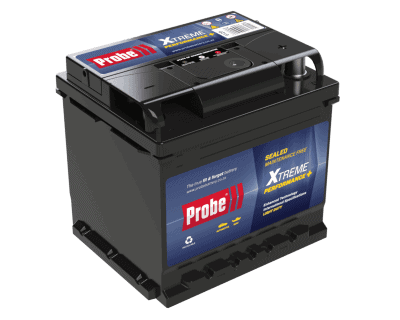
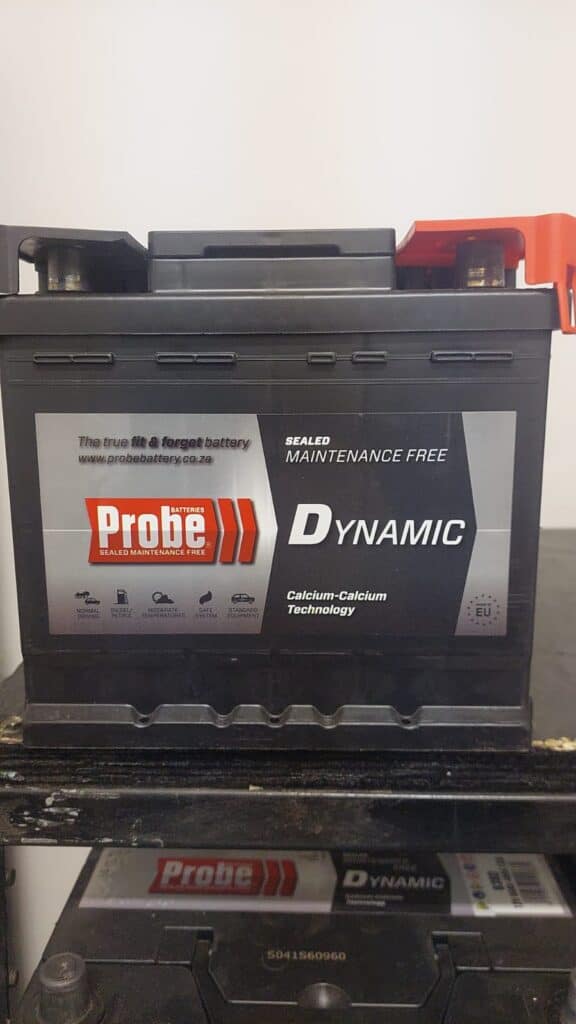
Probe batteries are well-known for their reliability and performance. They offer a range of options to cater to different vehicle needs. Key features include:
- High CCA Ratings : Ideal for colder climates.
- Durability : Designed to withstand extreme weather conditions.
John, a long-time Probe user, appreciates their longevity, stating his last battery outlasted competitors by two years!
Unitech: Features and Options
Unitech batteries are synonymous with innovation and energy efficiency. They provide several features, such as:
- Enhanced Reserve Capacity : Ensures power during emergencies.
- Maintenance-Free Design : Perfect for those who prefer a hassle-free experience.
Sarah switched to Unitech due to its advanced technology and found her car starts effortlessly, even after prolonged periods of inactivity.
Atomic: Features and Options
Atomic batteries are gaining traction for their value and performance balance. Some prominent features include:
- Cost-Effective : Comprehensive budget-friendly options.
- Robust Warranty Periods : Reflect their confidence in quality.
Mike chose Atomic for his older vehicle and was pleasantly surprised by the performance-to-price ratio, making it a sound investment for everyone looking for good quality at an affordable price.
Exploring these brands helps car owners make an informed decision that aligns with their driving habits and budget.
Maintenance Tips for Lead Acid Car Batteries
Regular Inspection and Cleaning
Maintaining your lead acid battery is crucial for its longevity and performance. Regular inspection can help detect potential issues early. Consider these practices:
- Check Connections : Ensure battery terminals are clean and securely connected.
- Look for Corrosion : If you notice white powder around the terminals, it’s time for a cleanup.
Tom, an avid car enthusiast, cleans his battery every few months and notes that this simple act keeps his car starting effortlessly, no matter the weather.
Proper Charging Practices
Charging practices also play a vital role in battery health. Here are some essential tips:
- Use the Right Charger : Ensure you use a charger compatible with lead acid batteries to avoid overcharging.
- Monitor Charge Levels : Try to keep your battery at least 50% charged to prolong its lifespan.
Sarah learned this lesson the hard way when her battery died unexpectedly. After implementing proper charging practices, she has seen significant improvements in reliability. Following these maintenance tips will help you get the most out of your lead acid car battery and ensure smooth rides ahead.
Recycling and Disposal of Lead Acid Batteries
Environmental Impact of Lead Acid Batteries
Lead acid batteries have significant environmental implications if not disposed of properly. When discarded in landfills, they can leak hazardous materials, contaminating soil and water.
- Toxic Components : Lead and sulfuric acid pose risks to human health and wildlife.
- Recycling Advantage : Proper recycling can recover up to 95% of the materials, reducing the need for new raw materials.
For instance, after learning about environmental impacts, Mark became proactive in battery recycling, ensuring his old batteries never ended up in landfills.
Proper Recycling and Disposal Procedures
To responsibly dispose of lead acid batteries, follow these guidelines:
- Local Recycling Centers : Most communities have designated locations for battery recycling.
- Professional Disposal : Many auto repair shops offer recycling services when you purchase a new battery.
Sarah found it convenient to take her old battery to her local auto shop, which not only ensured proper disposal but also offered a discount on her purchase. By following these procedures, everyone can contribute to a more sustainable future while safely managing their old batteries.
Conclusion
Recap of Key Considerations
In summary, choosing the right lead acid car battery involves several crucial factors. Remember to evaluate:
- Battery Size and Fit : Ensure compatibility with your vehicle.
- CCA and RC Ratings : Match the power needs to your driving conditions.
- Maintenance Requirements : Decide what level of upkeep you’re comfortable with.
John, after reviewing these considerations, finally selected a battery that perfectly suited his driving habits and climate.
Final Thoughts on Selecting the Right Lead Acid Car Battery
Ultimately, selecting the right lead acid car battery can significantly impact your vehicle’s performance and reliability. Take the time to research, consider reputable brands, and apply proper maintenance practices.
By making an informed choice, you’ll not only enhance your vehicle’s efficiency but also contribute positively to environmental sustainability through responsible recycling. Embrace the journey ahead with confidence, knowing you’ve equipped your vehicle with the best battery for your needs.