Introduction
Overview of Lead Acid Batteries
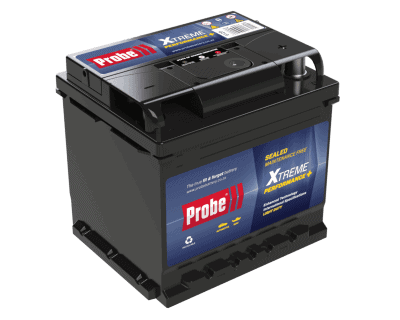
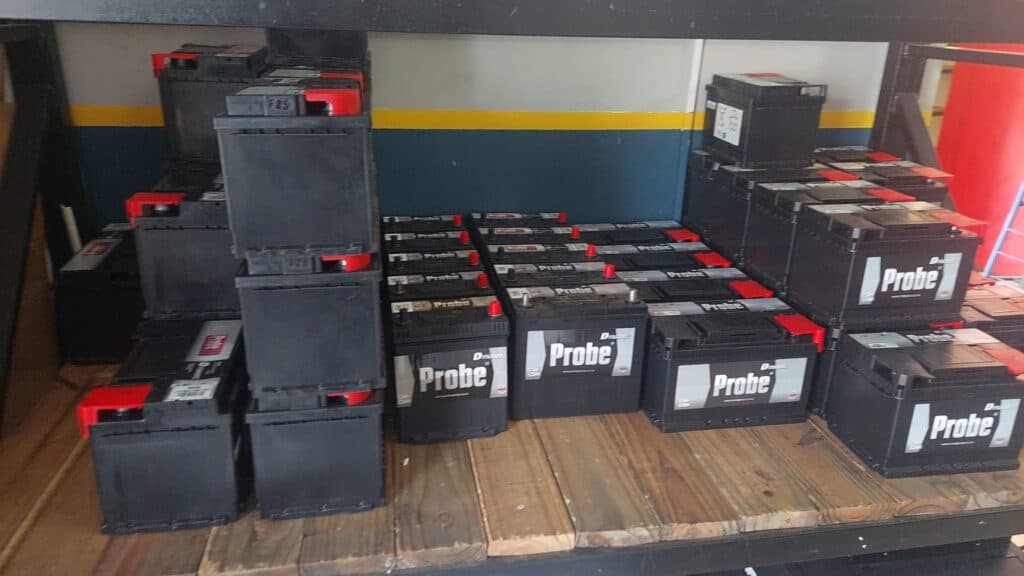
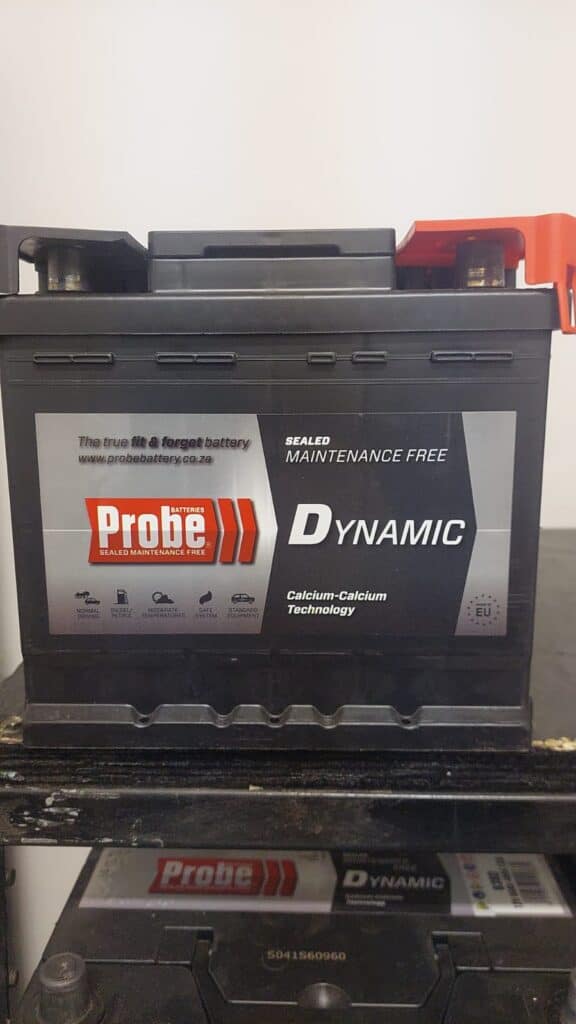
Lead acid batteries have been a staple in energy storage for over a century. Renowned for their reliability, they power everything from vehicles to renewable energy systems. Their structure, which consists of lead dioxide and sponge lead, allows for both durability and considerable energy output.
Importance of Battery Maintenance
Proper maintenance is essential to maximize the lifespan and efficiency of lead acid batteries. Just as a car requires regular oil changes, batteries thrive on care. Here are some key maintenance practices to consider:
- Regular inspections : Check for corrosion and battery health.
- Cleaning : Keep terminals free of dirt and grime.
- Monitoring electrolyte levels : Ensures optimal performance.
By committing to these maintenance tasks, users can prevent unexpected downtimes and costly replacements, protecting their investment in lead acid technology.
Understanding Lead Acid Batteries
Basic Structure and Function
To appreciate lead acid batteries fully, it’s important to understand their basic structure. At the heart of these batteries are:
- Positive plates : Made of lead dioxide.
- Negative plates : Composed of sponge lead.
- Electrolyte : A sulfuric acid and water mixture.
When the battery discharges, a chemical reaction occurs between the lead plates and the electrolyte, generating electricity. This process also reverses during charging, restoring the battery’s stored energy.
Types of Lead Acid Batteries
There are several types of lead acid batteries, each suited for different applications:
- Flooded Lead Acid Batteries : Common in automotive and backup power systems.
- Sealed Lead Acid (SLA) Batteries : Ideal for small devices and applications where leakage is a concern.
- Absorbent Glass Mat (AGM) Batteries : Known for their durability and often used in high-performance applications.
Selecting the right type for specific needs can significantly impact performance and longevity, ensuring that the battery serves its intended purpose effectively.
Factors Affecting Battery Performance
Temperature Considerations
Temperature plays a crucial role in the performance of lead acid batteries. Ideally, they function best at moderate temperatures, around 20°C to 25°C (68°F to 77°F). Here’s why temperature matters:
- High Temperatures : Accelerates chemical reactions, leading to quicker degradation.
- Low Temperatures : Reduces battery capacity and can hinder charging efficiency.
Keeping batteries in a temperature-controlled environment can significantly enhance their lifespan and performance.
Charging and Discharging Patterns
Another critical factor affecting battery performance is the charging and discharging patterns. Regular usage of a battery not only affects its capacity but also its longevity. Here’s what to keep in mind:
- Deep Discharges : Frequently discharging a battery below 50% can lead to sulfation, reducing its capacity.
- Charging Rate : A proper charging rate is essential; too fast can lead to overheating, while too slow can prevent full capacity recovery.
Adopting consistent and moderate charging and discharging practices is essential for maintaining optimal battery life. By understanding these patterns, users can extend the overall performance and efficiency of their lead acid batteries.
Maintenance Techniques
Regular Inspection and Cleaning
Maintaining lead acid batteries involves regular inspection and cleaning to ensure optimal performance. Every few months, it’s wise to perform a quick check. Here are some key steps:
- Visual Inspection : Look for signs of corrosion on terminals.
- Cleaning : Use a mixture of baking soda and water to clean corrosion; a toothbrush works wonders here!
By keeping your batteries clean and free from corrosion, you can enhance their connectivity and efficiency.
Watering and Electrolyte Levels
Another vital maintenance practice is monitoring and maintaining proper water and electrolyte levels. For flooded lead acid batteries, this process is essential:
- Check Electrolyte Levels : Ensure that the lead plates are submerged; low levels can lead to damage.
- Top Up with Distilled Water : If necessary, add distilled water to bring levels up, avoiding tap water due to minerals that can affect battery function.
Consistently monitoring electrolyte levels can prevent premature failure and enhance the longevity of the battery. By integrating these maintenance techniques into your routine, you’ll be well on your way to extending the life of your lead acid batteries.
Charging Practices
Proper Charging Procedures
Charging lead acid batteries correctly is as crucial as maintenance. Following proper procedures can significantly enhance battery life and performance. Here are some guidelines to keep in mind:
- Use the Right Charger : Ensure that your charger matches the battery’s specifications.
- Charging Modes : Employ bulk, absorption, and float charging stages for optimal results.
I’ve learned the hard way that skipping the absorption stage can lead to a less than fully charged battery, which can really hinder performance over time.
Avoiding Overcharging
One of the biggest threats to battery health is overcharging. Unfortunately, it can lead to issues such as:
- Increased Temperature : This can cause the electrolyte to evaporate.
- Sulfation : A detrimental buildup that reduces battery capacity.
To avoid overcharging, consider using a smart charger that automatically adjusts power based on battery needs. By paying attention to these charging practices, users can prevent costly damage and ensure their lead acid batteries remain in peak condition. This diligence pays off, extending the life of your battery while safeguarding your investment.
Storage and Handling Tips
Long-Term Storage Guidelines
When it comes to lead acid batteries, proper long-term storage can significantly affect their performance when you’re finally ready to use them. Here are some essential tips:
- Charge Before Storing : Ensure batteries are charged to around 50-70% for optimal health.
- Cool, Dry Location : Store batteries in a temperature-controlled environment to prevent damage.
During a recent project, I forgot to keep my battery charged while storing it for a few months, and it took considerable effort to restore it.
Transporting Lead Acid Batteries Safely
Transporting lead acid batteries also requires careful handling to avert accidents and leaks. Consider these key practices:
- Use Appropriate Packaging : Ensure the battery is securely placed in a sturdy box.
- Protect Terminals : Use terminal covers or wrap them to prevent short circuits during transport.
Adhering to these guidelines can protect both the battery and the people handling it. By being proactive about storage and transport, you safeguard the longevity and performance of your lead acid batteries, ensuring that they are ready to go when you need them.
Troubleshooting Common Issues
Identifying Signs of Battery Degradation
Understanding the signs of battery degradation can quickly save you time and money. Keep an eye out for:
- Decreased Capacity : Noticeable decline in how long the battery holds a charge.
- Swelling : Physical deformities, indicating internal failure.
I once ignored these signs until my battery finally gave out, teaching me the importance of attentiveness to battery health.
Dealing with Sulfation and Corrosion
Sulfation and corrosion are common issues that can impede battery performance. Here’s how to manage them:
- Sulfation : Occurs when lead sulfate crystals build up. Regular charging practices and specific desulfation devices can help combat this.
- Corrosion : Often seen on terminals, it can be cleaned using a baking soda solution to restore optimum connectivity.
Regular inspections and cleaning can prevent these issues from escalating, enabling you to maintain your lead acid battery effectively. By being proactive with troubleshooting, you can extend battery life and ensure reliable performance for all your needs.
Extending Battery Lifespan
Effective Reconditioning Methods
If your lead acid battery has started showing signs of aging, reconditioning can bring it back to life. Here are some effective methods:
- Slow Charging : Use a low-current charger to gently recharge the battery, allowing it to recover without stress.
- Desulfation : Special chargers can break down sulfate crystals, improving charge capacity.
I’ve had success bringing a nearly-dead battery back to usable condition through this method, saving money and reducing waste!
Recycling Lead Acid Batteries
When a battery reaches the end of its life, recycling is crucial. Lead acid batteries are highly recyclable, with over 90% of materials being recoverable. Here’s why recycling matters:
- Environmental Impact : Prevents harmful lead and acid from contaminating the environment.
- Resource Recovery : Recycles valuable materials for the production of new batteries.
Many automotive and battery stores offer recycling services, making it convenient to dispose of old batteries responsibly. By adopting reconditioning techniques and recycling practices, you not only extend the lifespan of your lead acid batteries but also contribute positively to the environment. This holistic approach ensures that resources are utilized efficiently while minimizing waste.
Safety Precautions
Handling Acid Spills
When dealing with lead acid batteries, the risk of acid spills is a reality that should not be overlooked. If you encounter a spill, act quickly and calmly. Here’s what to do:
- Neutralize the Acid : Use baking soda or a dedicated acid neutralizer.
- Wear Protective Gear : Gloves and goggles are essential to prevent skin or eye contact.
I once had a minor spill that reminded me just how crucial these steps are, as the quick response minimized the potential damage and harm.
Protecting Yourself During Maintenance
Safety isn’t just important during spills; taking precautions during routine maintenance is equally critical. Here’s how to protect yourself:
- Wear the Right Equipment : Always use gloves and eyewear when handling batteries.
- Work in a Ventilated Area : Ensure your workspace is well-ventilated to avoid inhaling harmful fumes.
Being proactive about these safety precautions not only protects you but also helps ensure a smoother experience when working with lead acid batteries. By prioritizing safety, you can enjoy the benefits of these powerful energy sources without unnecessary risks.
Conclusion
Recap of Key Maintenance Practices
As we wrap up, it’s essential to remember the fundamental maintenance practices that keep lead acid batteries running smoothly:
- Regular Inspection and Cleaning : Preventative checks can identify issues early.
- Proper Charging Procedures : Ensure you follow the recommended practices to avoid damage.
- Hydration : Keep an eye on electrolyte levels and water as needed.
Implementing these practices can make a significant difference in battery performance.
Importance of Consistent Care
Consistent care is the cornerstone of extending your lead acid battery’s lifespan. Just as I’ve learned from experience, neglect can lead to declined performance or premature failure.
By committing to a regular maintenance routine and being proactive, you’ll not only maximize the lifespan of your batteries but also ensure they remain reliable in powering everything you need. Ultimately, investing in your battery’s health will save you both time and money down the road!